
Defoaming Chemicals
Effective Solutions for Foam Control in Water Systems

Address Foam Issues with our Defoaming Chemicals
Foam buildup in cooling tower systems and other water-circulating equipment can lead to operational issues. Essential Chemical’s defoaming chemicals are designed to provide immediate, effective solutions for challenging applications. In many cases, foam may indicate an underlying issue, such as incorrect water treatment or foreign substances entering your system. We offer free water testing to diagnose the problem and recommend the best defoamer for your situation. Speak with our experts to find out more.
- Eliminates existing foam effectively
- Prevents foam formation proactively
- Enhances system efficiency and safety
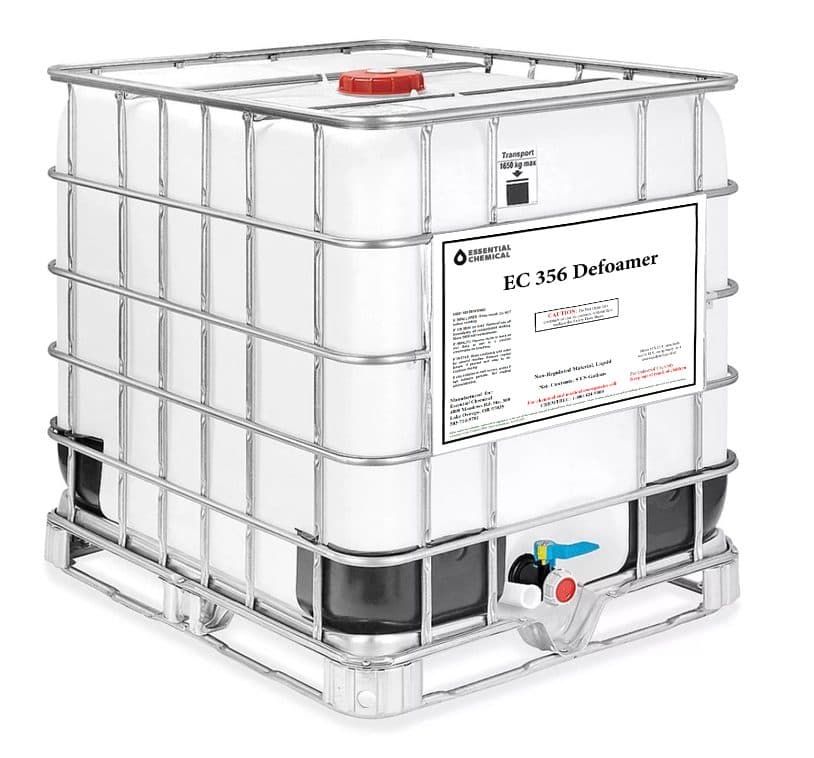
- Tailored solutions for various industries
- Includes silicone, mineral oil, and solid-based options
- Free water testing for optimal recommendations
Essential Chemical’s Defoamer Solutions
Essential Chemical offers a comprehensive range of defoamer chemicals designed to control and prevent foam across various industrial processes. Our defoamers ensure uninterrupted operations, reduce safety hazards, and maintain product quality.
What Are Defoamers?
Defoamers are chemical agents that reduce or eliminate foam. They function by either breaking down foam bubbles or by preventing them from forming in the first place, making them essential in processes where foam can disrupt operations.
Types of Defoamer Products We Offer
- Antifoaming Agents – Applied before foam forms, these agents coat liquid surfaces to prevent gas bubbles from developing, proactively reducing foam in your system.
- Defoamers – Applied to systems with existing foam, our defoamers quickly break down foam bubbles, ensuring smoother, foam-free operations.
Key Components of Our Defoamers
Our defoamer chemicals include high-quality ingredients tailored for optimal performance:
- Silicones: Hydrophobic polymers that prevent bubble formation by coating surfaces.
- Mineral Oils: Effective for coating surfaces and minimizing foam generation.
- Hydrophobic Solids: Additives like silica and alumina enhance foam-breaking action.
Benefits of Using Our Defoamer Chemicals
Our defoamers are designed to:
- Boost productivity by minimizing foam-related disruptions
- Enhance safety by reducing overflow and slip hazards
- Improve product quality and system efficiency
Selecting the Right Defoamer for Your Needs
Essential Chemical’s defoamers are crafted for diverse industries, from water treatment to food processing. Choose from food-grade, non-toxic options for sensitive applications or high-performance solutions for industrial systems.
Optimized Usage Tips
For best results, follow these usage recommendations:
- Choose the Right Product: Select a defoamer suited to your specific application.
- Apply at the Right Time: Add antifoaming agents before foam forms, or defoamers afterward for effective foam control.
- Use the Correct Dosage: Follow manufacturer guidelines to ensure safe and efficient use.
By selecting Essential Chemical’s defoamer solutions, you’re investing in reliable foam control tailored to your industry’s needs. Contact us to learn more about how our defoamers can support your operations!
What is a defoamer, and how does it work?
A defoamer is a chemical additive designed to reduce or eliminate foam in industrial processes. It works by destabilizing foam bubbles, causing them to break down and preventing excessive foam formation. Some defoamers act by disrupting surface tension, while others create a thin layer over liquid surfaces to stop foam from developing in the first place.
What are the main types of defoamers offered by Essential Chemical?
Essential Chemical provides antifoaming agents and defoamers, each designed for specific applications. Antifoaming agents prevent foam from forming by coating liquid surfaces, while defoamers actively break down existing foam to restore system efficiency. Both options are formulated to handle tough foam-related challenges across various industries.
Why are defoamers important in industrial processes?
Foam can disrupt industrial systems by reducing efficiency, causing overflow, and leading to product contamination or safety hazards. Defoamers play a crucial role in preventing these issues, ensuring that equipment runs smoothly, processes remain uninterrupted, and energy consumption stays optimized.
What industries benefit from using defoamers?
Industries such as water treatment, food and beverage processing, pulp and paper production, wastewater treatment, cooling systems, and chemical manufacturing rely on defoamers to prevent operational disruptions. Essential Chemical’s defoamers are tailored for each industry to provide reliable foam control, reduce downtime, and improve system performance.
What are the key ingredients in Essential Chemical’s defoamers?
Our defoamers contain high-performance ingredients such as silicones, mineral oils, and hydrophobic solids like silica and alumina, which work together to eliminate foam quickly and effectively. Silicones provide long-lasting foam prevention, mineral oils help coat surfaces to stop foam formation, and hydrophobic solids enhance foam breakdown.
How do I choose the right defoamer for my application?
Selecting the right defoamer depends on the type of foam, the system in which it occurs, and specific industry regulations. Essential Chemical offers both food-grade and industrial-grade defoamers, ensuring compliance with safety standards. Our team provides free water testing to analyze your system and recommend the most effective foam control solution.
How should defoamers be applied for the best results?
For optimal results, apply antifoaming agents before foam forms to prevent its development, and use defoamers after foam has already appeared to quickly break it down. Proper dosage is crucial—following the manufacturer’s guidelines ensures maximum effectiveness without overuse, which could impact system performance.
Can defoamers improve safety in industrial systems?
Yes, defoamers enhance workplace safety by reducing slip hazards, preventing overflow, and maintaining clear visibility in liquid-processing systems. Foam buildup can obstruct water flow, increase pressure in equipment, and even cause machinery failures, making effective foam control essential for a safer work environment.
Do Essential Chemical’s defoamers comply with environmental regulations?
Many of our defoamers are biodegradable, non-toxic, and designed for environmentally responsible applications, helping industries comply with regulatory standards while maintaining effective foam control. Our formulations are carefully developed to minimize environmental impact without compromising performance.
How can I purchase Essential Chemical’s defoaming solutions?
To find the best defoaming solution for your operations, contact our team for expert recommendations and free water testing. We will assess your specific needs, help you choose the ideal defoamer, and ensure proper application methods for the most effective foam control in your industry.
Contact us for our technical data sheets, SDS, usage instructions, and other information.
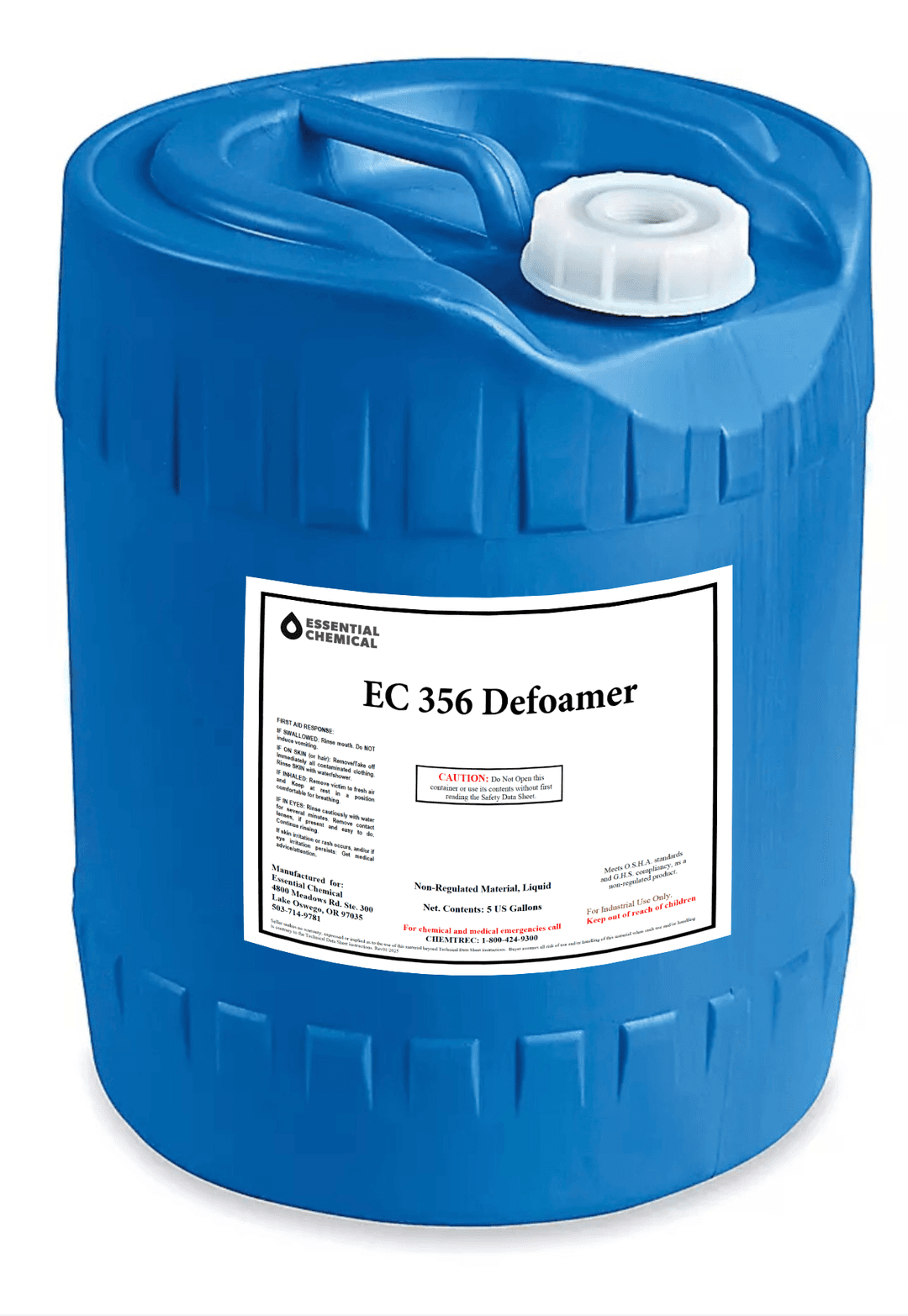
Reliable Foam Control with Essential Chemical’s Defoaming Solutions
Foam buildup in water-circulating systems, such as cooling towers and industrial tanks, can disrupt operations, reduce efficiency, and create safety hazards. Essential Chemical’s defoaming solutions are specially formulated to eliminate existing foam and prevent new foam from forming, ensuring smooth, uninterrupted performance. Our range of defoamers includes silicone-based, mineral oil, and hydrophobic solid options tailored to meet industry-specific needs, from food-grade applications to heavy industrial processes. With expert guidance and free water testing, we help you identify the root cause of foam issues and recommend the optimal solution to enhance productivity, improve safety, and maintain system efficiency.