
Heat Exchangers
Comprehensive Heat Exchanger Maintenance and Descaling
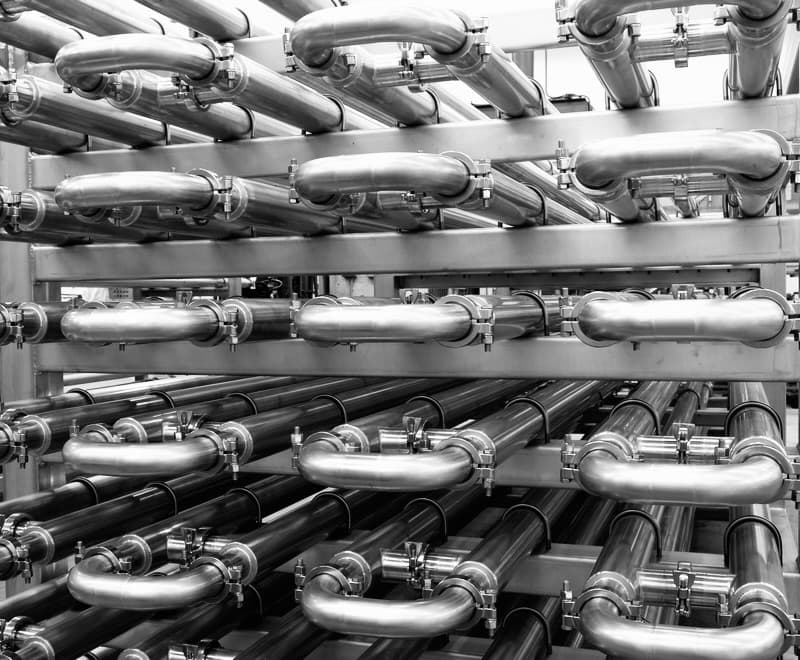
Heat Exchanger Descaling Solutions for Optimal Efficiency
Heat exchangers are essential for efficient heat transfer in industrial systems, but they are highly vulnerable to scale buildup. Deposits like limescale, rust, calcium, and silica can create thermal barriers, reducing heat exchange efficiency and driving up energy costs. Essential Chemical offers advanced descaling solutions specifically designed to dissolve these tough deposits, restore performance, and extend the lifespan of heat exchangers. Our safe, effective, and environmentally friendly products ensure your systems operate at peak efficiency with minimal downtime.
The Impact of Scale on Heat Exchangers
Scale buildup in heat exchangers leads to several operational issues, including:
- Reduced Heat Transfer Efficiency: Deposits act as insulators, preventing effective heat exchange.
- Increased Energy Consumption: Systems must work harder to compensate for lost efficiency.
- Clogged Flow Passages: Restricted flow can lead to overheating and pressure drops.
- Premature Equipment Wear: Deposits increase stress on components, reducing equipment life.
Regular descaling is critical to prevent these issues and maintain optimal system performance.
Features of Essential Chemical’s Heat Exchanger Descaling Solutions
Our descalers are engineered to address the unique challenges of heat exchanger maintenance. Key features include:
- Powerful Scale Removal: Effectively dissolves calcium, rust, silica, and other mineral deposits.
- Non-Corrosive Formula: Safe for metals and materials commonly used in heat exchangers.
- Biodegradable and Eco-Friendly: Meets stringent environmental safety standards.
- Compatible with All Types of Heat Exchangers: Works on plate, shell-and-tube, and other designs.
Benefits of Using Our Solutions
Essential Chemical’s descaling products offer significant advantages for heat exchanger maintenance:
- Enhanced Energy Efficiency: Clean systems require less energy to achieve the desired performance.
- Reduced Downtime: Fast-acting formulas ensure quick maintenance with minimal interruptions.
- Extended Equipment Lifespan: Regular cleaning prevents long-term damage and costly repairs.
- Lower Operating Costs: Improved efficiency reduces energy and maintenance expenses.
Best Practices for Heat Exchanger Maintenance
To keep your heat exchangers running efficiently, follow these maintenance steps:
- Conduct Regular Inspections: Monitor for signs of scale, reduced flow, or efficiency drops.
- Use Essential Chemical’s Descaler: Apply our powerful solution to remove tough deposits.
- Flush the System Thoroughly: Clear all dissolved debris to restore optimal performance.
- Implement Water Treatment Programs: Prevent future buildup with proper water quality management.
Why does scale buildup occur in heat exchangers?
Scale forms when minerals in water precipitate out under high temperatures and pressures, accumulating on surfaces.
How does scale affect heat exchanger performance?
Scale reduces heat transfer efficiency, increases energy consumption, and restricts fluid flow.
How often should heat exchangers be descaled?
Frequency depends on usage and water quality, but most systems require descaling every 6–12 months.
What deposits can your descaler remove?
Our solutions remove limescale, calcium, rust, silica, and other common mineral deposits.
Is your descaler safe for all types of heat exchangers?
Yes, our formula is non-corrosive and compatible with plate, shell-and-tube, and other designs.
Can descaling improve energy efficiency?
Absolutely. Removing scale restores heat exchange efficiency and reduces energy costs.
How long does the descaling process take?
The duration varies depending on the level of buildup, but most processes are completed within a few hours.
Do I need to shut down the system for descaling?
While some systems can be cleaned during operation, shutting down ensures thorough cleaning.
Is Essential Chemical’s descaler environmentally friendly?
Yes, our biodegradable formulas are safe for the environment and meet regulatory standards.
What other maintenance steps should I take for heat exchangers?
Regular inspections, water treatment, and scheduled cleanings are essential for maintaining efficiency.